
History & Culture
Food & Harvesting
Our Land and Life
During the early fur trade, Métis people had many land-based skills such as hunting, trapping, and gathering. Our entire economic system was originally based on the land and its resources. For many Métis families today, some of these traditional economies remain key sources of income.
An important symbol of the political, economic, social, and cultural development of the Métis is the iconic bison hunt of the high plains. As provisioners of bison pemmican, our historic Métis communities formed a critical relationship with the land. Their survival depended largely on the natural resources available in the region.
The transition to agriculture and gardening is another celebrated aspect of Métis traditional land use. During the fur trade, many families maintained gardens to complement the country foods available. Later, at places like Red River, Métis families acquired other skills and learned new forms of agriculture. The River Lot System was eventually developed and became a way for families to settle on the land. A staple of Métis culture, this style of farming allowed for equal access to the river, wooded areas, cultivated land, and provided space for hay lands.
Traditional food and medicines are still significant aspects of Métis life. Many families continue to gather medicines, herbs, and traditional foods from the land to supplement their diet. It is a vision of the Métis people to maintain intergenerational continuity of our traditional land use.
Harvesting
Throughout the history of the Métis Nation, our people have relied on the bounty offered by Mother Earth.
As our Nation evolved throughout the great expanse called Canada, our citizens hunted, fished, and gathered plants to ensure the survival of our families.
As John Palliser remarked in 1857, “this pemmican harvest of their buffalo hunts was brought in for trade by the Indians of the Plains and the Half Breeds of Red River who organized with military discipline under their leader, the warden of the Plains, who went out on the Prairies every year on two tremendous buffalo hunts.”
The 1924 testimony of Elder Patrice Fleury noted that the location of present day Saskatoon was a primary buffalo hunting ground called “Bois de Fleche.”
As in the past, harvesting from Mother Earth remains an integral tradition of our Nation that we inherited from our ancestors. In the North, the people of the two oldest Métis communities, Île-à-la-Crosse and Cumberland House, continue to this day to provide sustenance for their families by hunting, fishing and gathering wild rice, berries and using traditional medicinal plants.
Over the past four years, Métis Nation-Saskatchewan has embarked on an ambitious process of discussions with the Government of Saskatchewan over the issue of harvesting. We are working with many institutions, groups, and the federal and provincial governments to ensure that our tradition of harvesting will continue and be practiced by future generations of Métis citizens.
Learn more about harvesting here.
John Palliser, 1857“This pemmican harvest of their buffalo hunts was brought in for trade by the Indians of the Plains and the Half Breeds of Red River who organized with military discipline under their leader, the warden of the Plains, who went out on the prairies every year on two tremendous buffalo hunts.”
Traditional Recipes
These recipes were taken from a grade 10 lesson plan (see full lesson here), and were inspired from a Métis New Year’s Kitchen Party in Western Region 2A.
|
|
|
|
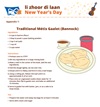

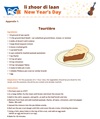
This will be the future home of a downloadable cookbook full of traditional Métis recipes, along with the stories behind each entry.
Do you have a traditional recipe that you’d like to share and have as part of the cookbook? Click here to access a form where you can type in the ingredients, instructions, and any stories you might have about the recipe itself. Once you are finished, click “submit” at the bottom of the page!
