
Classroom Resources
Heritage Michif Resources
Meet the Heritage Michif Learning Buddy!
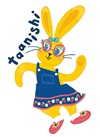
Heritage Michif Learning Buddy: Rabbit
Workbooks (children)
|
|
|
|


Workbooks (youth)
|
|
|
|
|
|
|
|
Bingo

|
|
|
|
|
|


Games
|
|
|
|
|
|
|
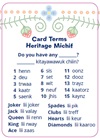
Terms for Playing Cards – (playing cards not included) |

|
|
|
|

|
|
|
|

|
|
|
|
|
|
|
Colouring
|
|
|
|
|
|
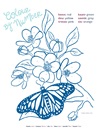
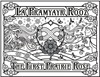
The First Prairie Rose (includes a spring story and colouring sheet)
|
|
|
|
|


Labels
|
|

|
|
|
|

Posters
|
|
|
|
|
|
|
|
|
|
|
|




|
|
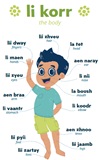
Songs
|
|
|
|
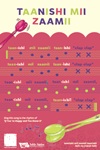
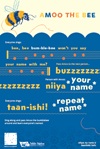
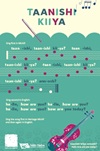
|
|
|
|
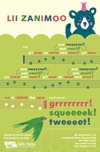
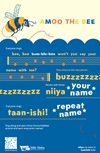
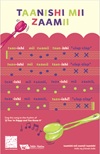
Miscellaneous
|
|
|
|
|
|
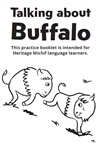
Talking About Buffalo: Colorable Practice Booklet This Heritage Michif practice booklet coincides with the “Talking About Buffalo” video, found here. |
About Heritage Michif
Heritage Michif, also known as Southern Michif, or Michif, is spoken mainly from western Manitoba all the way to central Alberta, in addition to Northern North Dakota and Montana. It originated among the bison-hunting Métis who lived on the plains. Today in Saskatchewan, it is spoken especially in the Yorkton, Cypress Hills, Qu’Appelle Valley, Regina, and Round Prairie/Saskatoon areas.
Linguistically, it is considered to be one of the most unique languages in the world – described somewhat simplistically – as a blend of French nouns and Cree verbs. The French element of Heritage Michif mostly comes from Michif French, with the majority of the Algonquian element coming from the Plains Cree (Y dialect) and a small Western Ojibwe (Saulteaux) influence. That said, Heritage Michif has solidified into its own language: it contains elements from its source languages, but also has characteristics that are unique to it alone. A good example of this is the way in which some French elements are “sandwiched” in Cree grammar, like the French noun le vieux (‘old man’) becoming a verb in phrases like ni maachi li vyeu-iwin (‘I am getting old’). It is important to note that for the majority of its existence Heritage Michif has been an oral language passed down through oral transmission. Today, there is no universal standardized spelling system in Heritage Michif. Spelling systems can vary from speaker to speaker, or province to province. At MN-S we have adopted the double vowel spelling system used by mother tongue speaker Norman Fleury and linguist Peter Bakker. Other examples of spelling systems exist, with different variations of the double vowel system being used, as well as a phonetic spelling system used by some speakers.
A special thanks to the heritage michif contributors:
| Dr. Elder Norman Fleury |
| Koohkum Rita Ducharme |
Elder Norman Fleury“We become who we are by listening and watching. We make la gaalet by the feel of our grandma’s fingers. There are no written recipes for food or life but there are moments and memories that form the basis for Métis identity.”
